
Your Complete Guide to Visiting the Isle of Bute —
“Planning a visit? Sithean Studio is open year round by appointment. Come and browse original prints in a working studio with views over Rothesay Bay — and take something home with you. Get in touch to arrange a visit.”
From the Ferry to the Studio and Beyond
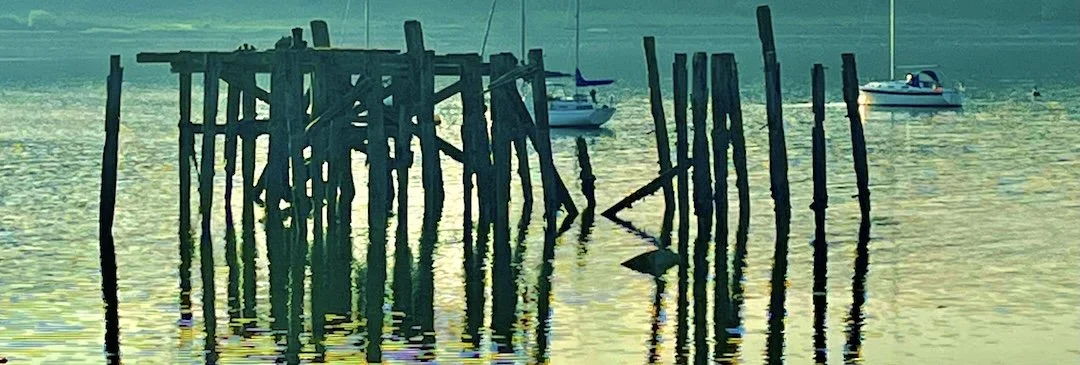
Port Bannatyne Derelict Pier
People come to the Isle of Bute for a day and end up staying for a week. Some never leave at all. I know, because I'm one of them. What started as a ferry crossing during a pandemic lockdown lift led to a new life — a studio with sea views, a community of artists, and a daily dose of some of the most extraordinary light and landscape I've ever tried to capture in print.
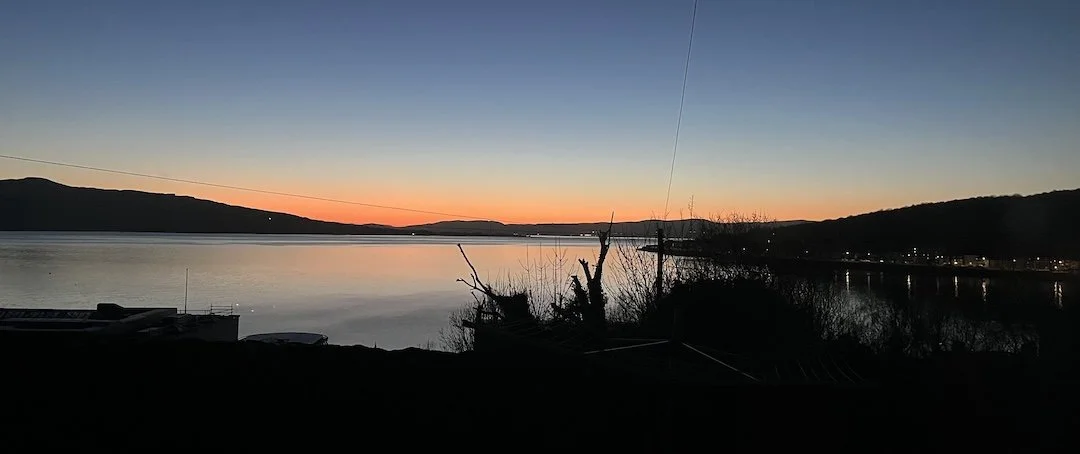
View From our house at dawn
Whether you're coming for the Bute Studio Trail, a printmaking workshop, or simply to visit the studio and see what's on the walls, this guide is my attempt to share everything I wish someone had told me before my first visit. Consider it the insider's guide — from someone who swims in the sea from April to November and knows where the roe deer hide.
Getting Here
The Isle of Bute is probably the most accessible island off the west coast of Scotland, which is part of what makes it such a good choice for a short break or a longer stay.
The simplest route from Glasgow is by train and ferry. A regular ScotRail service from Glasgow Central takes around 50 minutes to Wemyss Bay, where the CalMac ferry crosses to Rothesay in 35 minutes. Ferries run roughly every hour and you don't need to book a specific sailing — just turn up. That said, in summer the route gets busy and you may not always make the first ferry you're aiming for, so build in a little extra time. Download the CalMac app for up-to-date timetables and any weather or service disruptions.
If you're coming by car, arrive at the terminal at least 20 minutes before departure. Foot passengers can leave it to 10 minutes before.
There's also a second, quieter ferry crossing at the north end of the island, from Colintraive on the mainland to Rhubodach — useful if you're coming from Dunoon, Tarbert or Portavadie. It's a shorter crossing but a longer, though very scenic, drive.
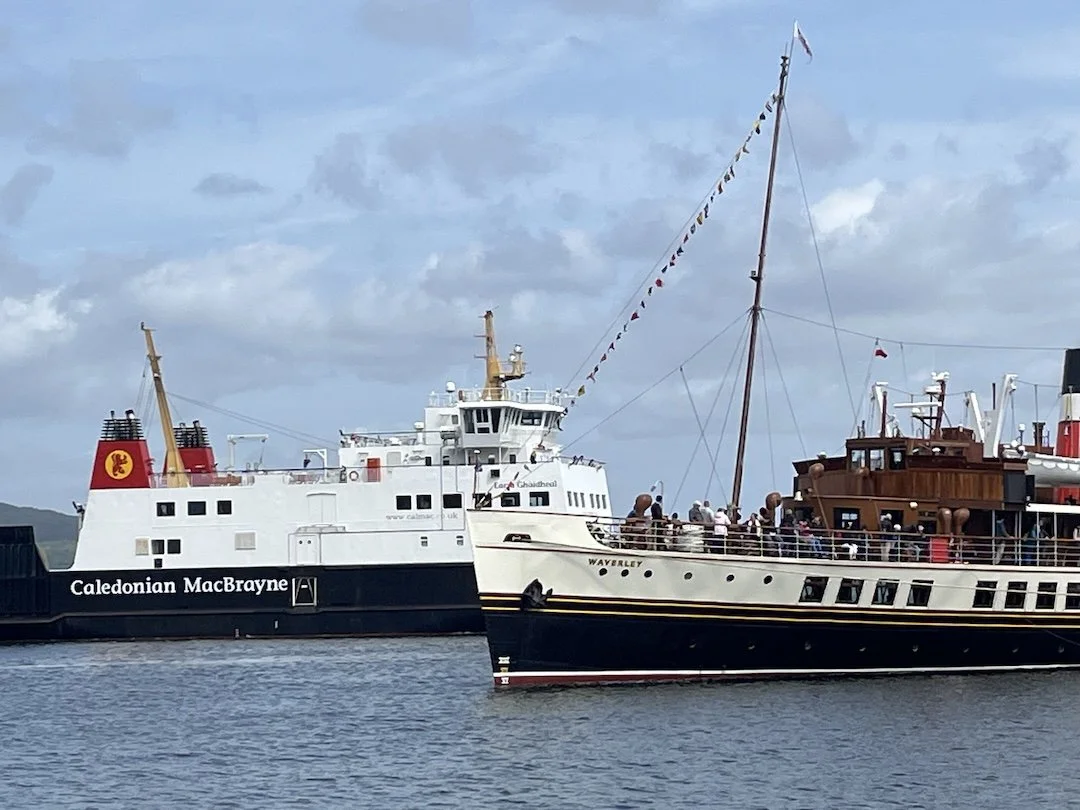
Waverley paddle steamer and CalMac ferry at Rothesay Ferry terminal
And then there's the Waverley Paddle Steamer — the last seagoing paddle steamer in the world and one of the most enjoyable ways to arrive anywhere. She runs summer excursions from Glasgow, Greenock and Largs. If you can time your visit to coincide with a sailing, do it.
For those arriving by yacht or motor boat, there's a marina at Port Bannatyne and berthing at Rothesay ferry terminal. Happy sailing.
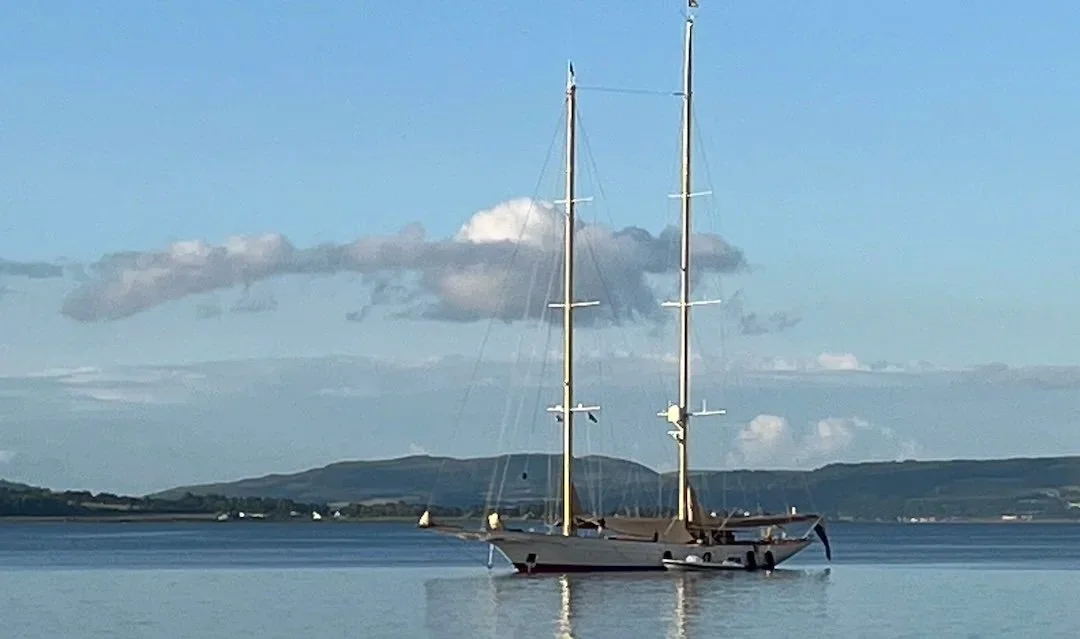
For full details on all travel options, take a look at my Ten Tips for Travelling to Bute blog post.
Getting Around
Once you're on the island, getting around is straightforward and genuinely enjoyable.
If you're staying in Rothesay, the town centre, seafront and several beaches are easily walkable from the ferry terminal. Skeogh Woods — a lovely short woodland walk — is just two minutes from the studio, and the seafront and town are just a few minutes further downhill.
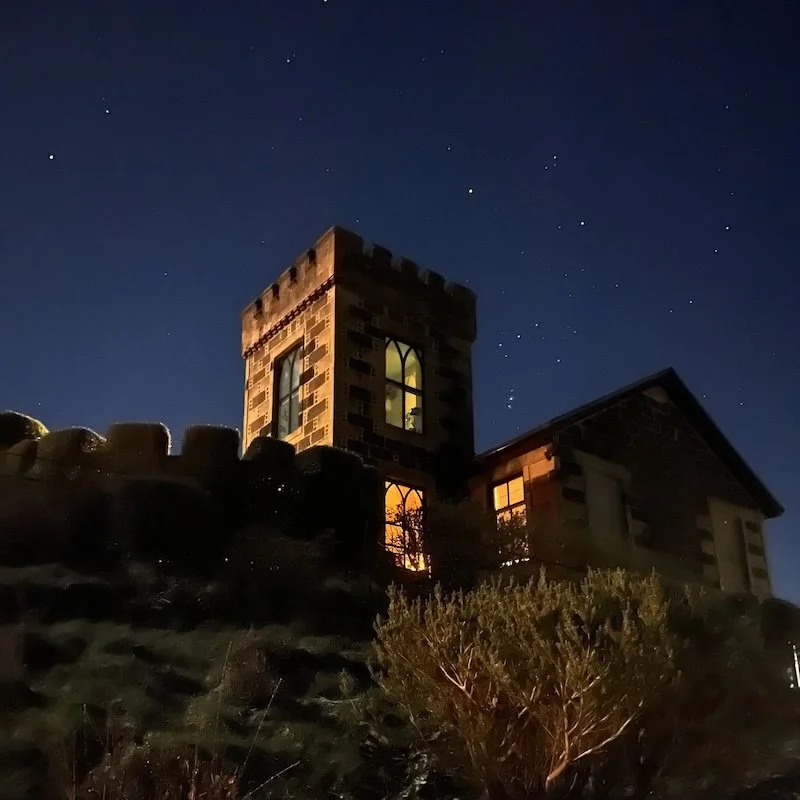
The Look Out over Rothesay on a clear starry night
For exploring further afield, e-bikes are available to hire from Scotland's first community island bike scheme. They also have a companion bike for wheelchair users, child trailers, and — brilliantly — dog trolleys. You can book online and pick up at the ferry terminal or Port Bannatyne Marina.
If cycling isn't your thing, the open-top tour bus offers a great overview of the island, and the regular public bus service connects most parts of Bute. Bus drivers are reportedly very obliging about stopping closer to where you need to be — it's that kind of island.
Where to Stay
Bute has a surprisingly good range of accommodation for an island of its size, from off-grid glamping to comfortable self-catering — and a few personal recommendations I can vouch for directly.
Personal Recommendations
I occasionally hear about lovely places to stay before they appear on the usual booking sites. If you'd like a personal recommendation for a recently renovated self-catering flat in Rothesay, or a charming one-bedroom apartment in Port Bannatyne — both tried and trusted by people I know well — just get in touch and I'll point you in the right direction. The Port Bannatyne property is also available to book directly via AirBnB.
A little further along the coast, Kames Castle Cottages offers self-catering accommodation in a beautiful setting. Their website is also a good source of information on things to do on the island more generally, with its own recommendations and blog posts worth exploring.
Glamping and Outdoor Stays
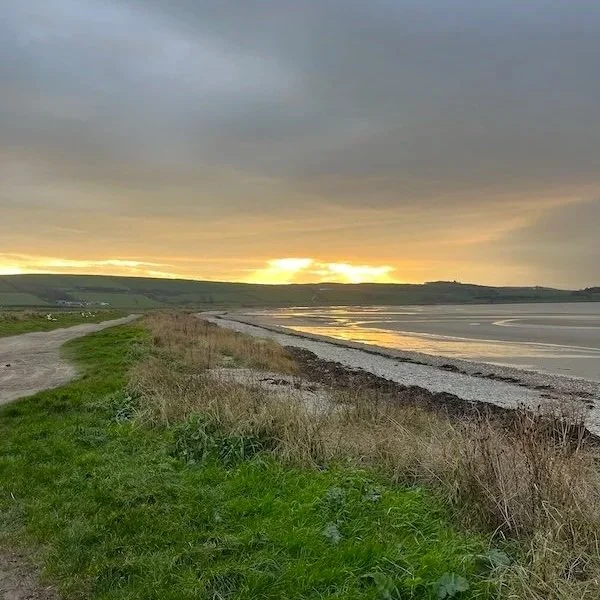
Etterick Bay on the west coast of the Isle of Bute
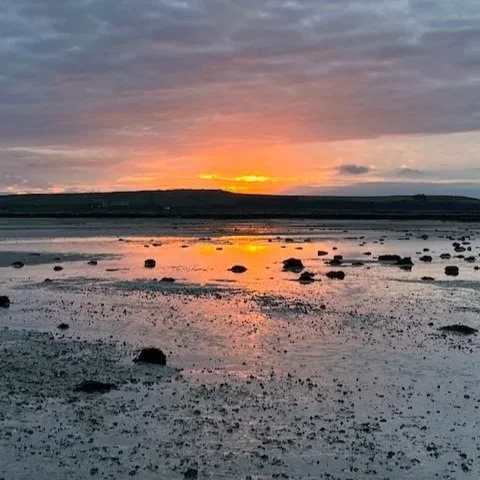
Scalpsie Bay at sunset
For something more adventurous, the island has some wonderful options. The Charcoal Huts in Bute Community Forest are off-grid and eco-friendly, inspired by the charcoal burner settlements that historically occupied the woodland — a genuinely unique place to stay, especially with children. Etterick Bay and Scalpsie Bay both have glamping pods in spectacular positions — the former right by the beach behind the Etterick Bay Cafe and run by one of the people I go wild swimming with; I have also stayed one night in one of the latter glamping pods on Scalpsie Farm and it is heaven, overlooking the seal colony and the Isle of Arran. You do need to know that access is down a track from the car park to the beach and across a field (that may have livestock in it). There is a trolley outside each pod to take back you your car to help you bring your food and clothing so it is not a choice if you have mobility issues. Roseland Holiday Park offers pitches and glamping pods with full facilities, and wild camping is permitted across much of the island under Scotland's Land Reform Act, provided you follow the countryside code.
B&Bs and Self-Catering
For bed and breakfast, Cannon House and Highlander House are both well-regarded options in Rothesay. For self-catering with exceptional views, The Hidden Asset at Academy Apartments is where my husband and I stayed when we first visited the island and fell in love with it. Next door, Ghillie's Croft Cabin is a brand new dog-friendly chalet available to rent.
Early booking is recommended, particularly for summer visits and the Bute Studio Trail weekend in July.
Where to Eat
Eating out on Bute is an adventure in itself. The island's food scene has grown considerably in recent years, but it pays to know what you're looking for — and to manage expectations accordingly. Here are my honest recommendations.
In Rothesay
Tazza Café (formerly Helmis) is where I'd send anyone arriving hungry off the ferry. A Syrian-run pastry shop with exceptional baking and a relaxed atmosphere, it's one of those places that makes you want to sit down and order one of everything. Good for lunch too, and very reasonably priced.
Right next door, The Gather Deli is where London comes to Bute. The food is excellent, the cocktails are creative, and the atmosphere is genuinely lovely — but the prices may raise an eyebrow if you're not used to city rates. If you are, you'll feel completely at home. Their wine bar next door, The Sulking Room, operates on the same principle. They have The Sulking Sessions, music and vinyl nights, Jazz, Soul, MoTown, Funk, and Latin Grooves. Worth it for a treat, especially on a summer evening.
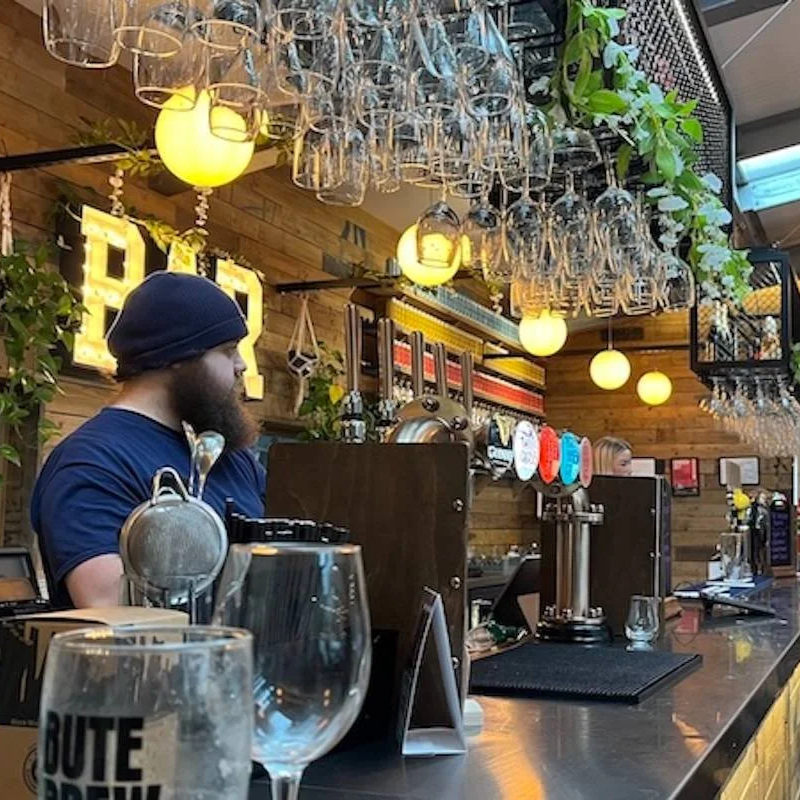
Bute Yard Bar Rothesay Isle of Bute
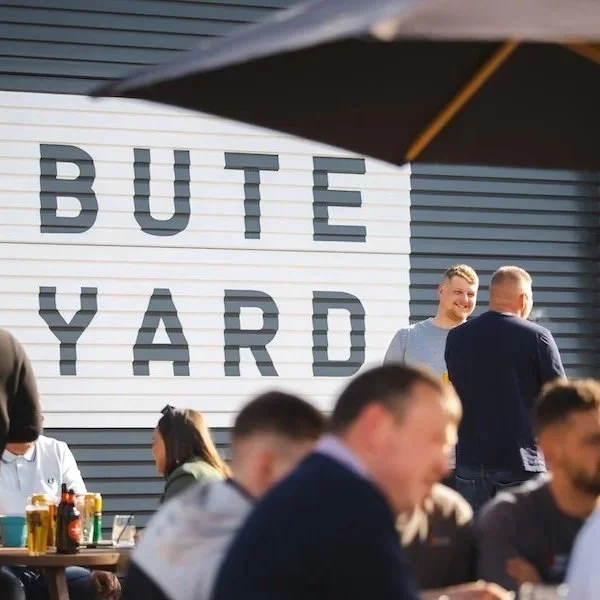
Bute Yard outdoor area
Bute Yard is harder to predict but potentially brilliant. The space itself — part distillery, part brewery, part creative hub — is wonderful, and on a sunny day the outdoor seating is hard to beat. The food comes from pop-up kitchens that change, and quality varies. When it's good, it's very good value. When it isn't, portions can feel mean for the price. My advice: check who's cooking before you go. Follow the link to find out what’s on and what food pop-ups are happening, when.
The Indian Pavilion does honest, good Indian food — eat in or take away. It's not smart, but it's very Bute, and that's entirely meant as a compliment.
The Glenburn Hotel has recently changed hands and by all accounts is much improved. Its greatest asset has always been the terrace — spectacular views up the Kyles of Bute that are worth the visit alone. The food is currently described by those who know it well as “good pub grub at hotel prices”. For a sundowner with a view, though, it's hard to beat.
In Port Bannatyne
The Eider Bakery is a destination in itself. Open Fridays, Saturdays and Sundays, it regularly has a queue outside — which should tell you everything you need to know. Go early, be patient, and reward yourself with something from the counter. While you're there, they now have a mobile sauna on the pier, that combines outdoor swimming with the Caladh sauna, which is either the best or most alarming idea you've heard today, depending on your disposition.
The Anchor Tavern is something rather special — a community-owned pub and hub that runs live music nights, book groups, Knit and natter, Open Mic, pub quiz nights, and Warm Welcome Wednesdays lunch where homemade soup, a main course and dessert are free to those who need it, funded by donations from those who can afford to pay. It's exactly the kind of place that makes you feel good about the world. Worth a visit for the atmosphere alone.
Out on the Island
Etterick Bay Café sits right on the beachfront and, on a good day, is fantastic — the kind of place where the setting alone is worth the trip. Service can be unpredictable and waits can be long during busy periods, so go early or with time to spare and treat it as part of the island experience rather than a quick stop. The cakes are renowned for a reason.
The Kingarth Hotel, near Kilchattan Bay at the south end of the island, offers both a good restaurant and reliable pub grub in a proper local setting. A solid choice if you're exploring the west side of the island.
What to Do
Bute is the kind of place where you arrive with a loose plan and end up doing things you never expected. Here are my personal highlights — the places I return to, recommend to every visitor, and in some cases, can see from my studio window.
On the Waterfront
Start at the ferry terminal, where the maritime theatre begins the moment you step off the boat. If you stand quietly by the water you may spot sea otters, guillemots, heron, and in winter, whooper swans. Keep your eyes on the bay too — last summer we were treated to a superpod of dolphins, both in Rothesay Bay and off the south end of the island. It's not an everyday occurrence, but on Bute you learn to expect the unexpected.
The promenade is a wonderful introduction to Rothesay — a mile or so of Victorian seafront that speaks of a glamorous past, when wealthy Glaswegians came here in their thousands before cheap flights took them somewhere sunnier. With the climate as it is, I suspect they may be coming back.
Close to the Studio
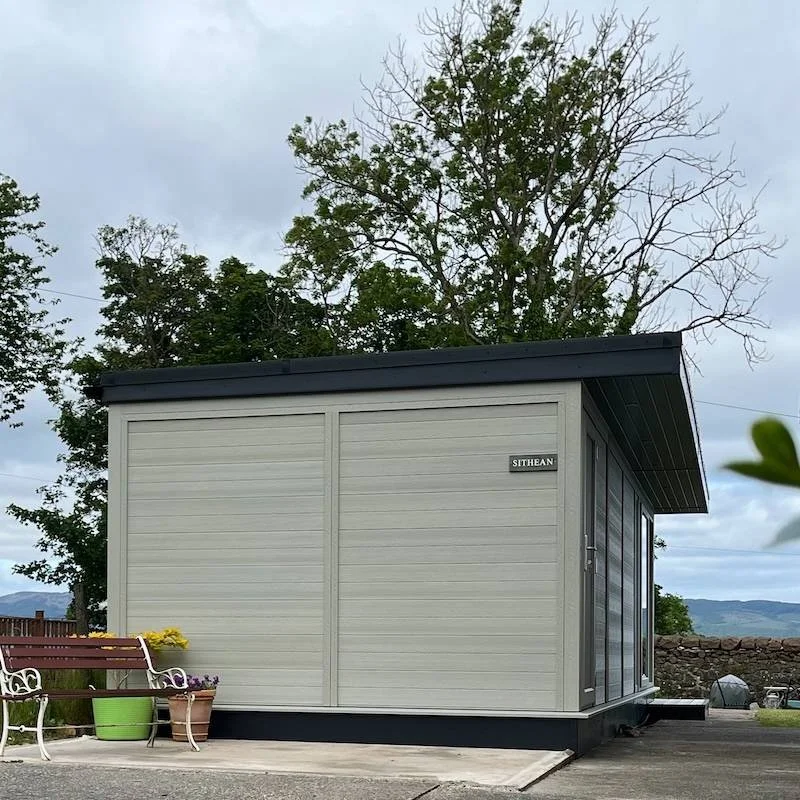
Street View of Sithean Studio Rothesay
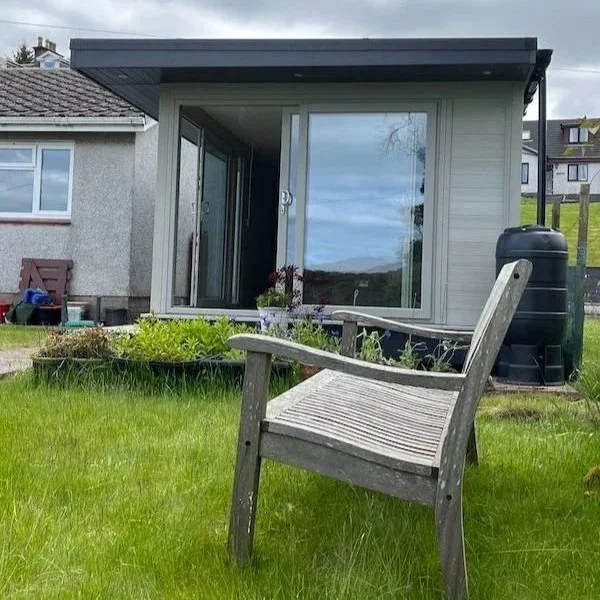
Garden Frontage of Sithean Studio
Just two minutes from Sithean, Skeogh Woods offers a lovely, quiet woodland walk. Go slowly and keep your eyes open — roe deer are regularly spotted among the trees. It's the kind of place that clears your head between a morning in the studio and an afternoon on the island.
A short walk in the other direction is what locals call the secret beach — a sheltered spot that's perfect for wild swimming from spring through to autumn. I swim there myself from around April and have been known to keep going well into November. If you're a wild swimmer, ask me for directions when you visit.
History and Architecture
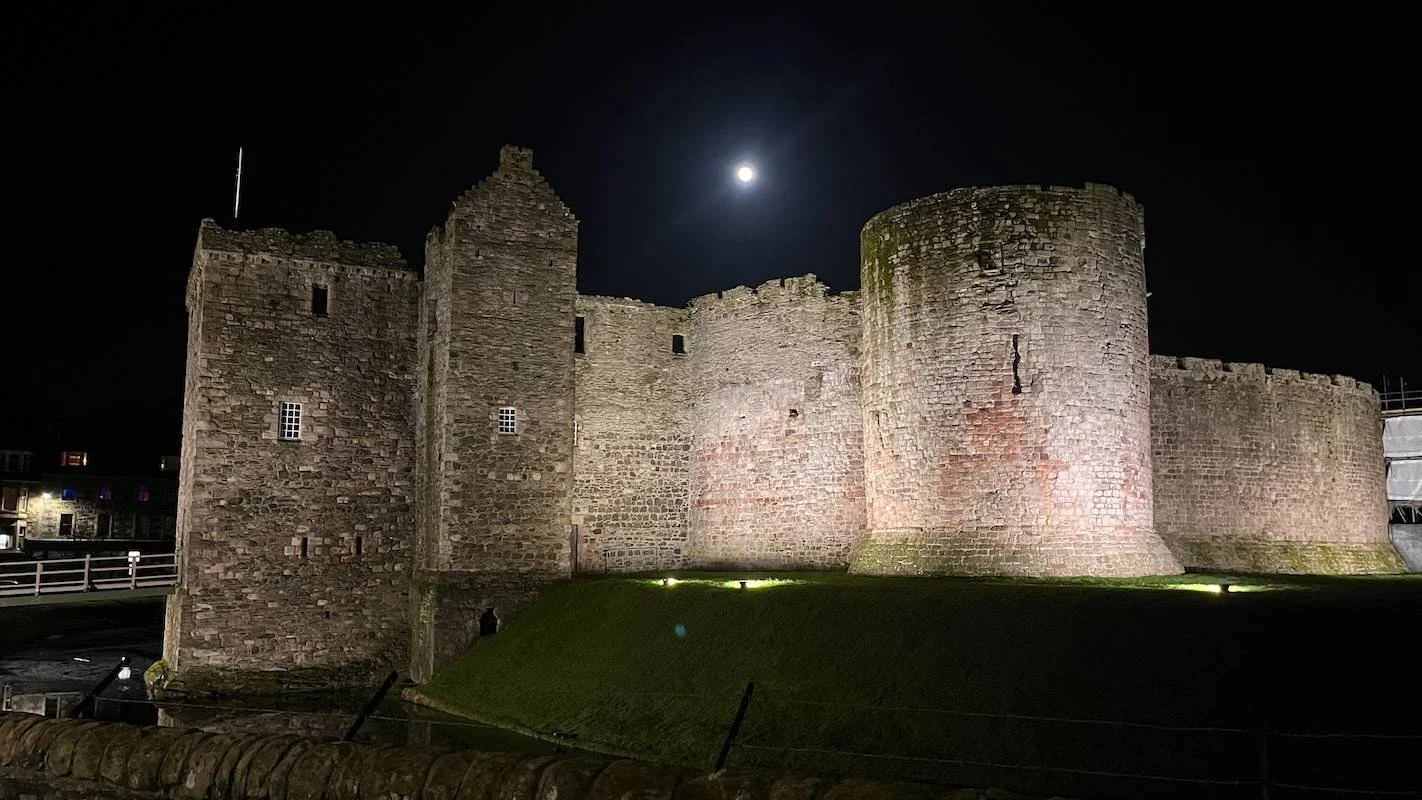
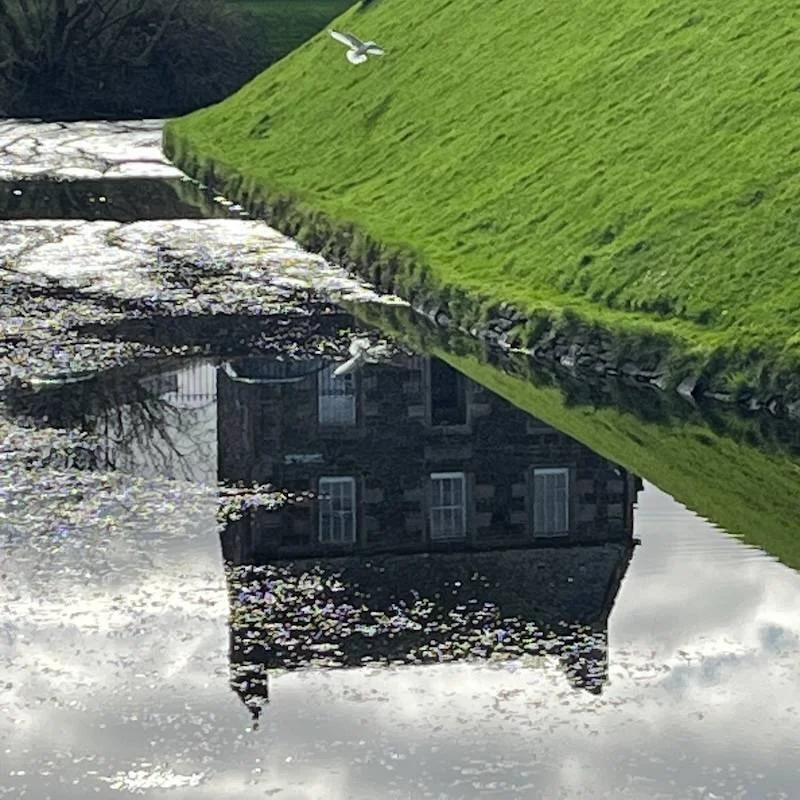
Rothesay Castle is a remarkable medieval moated castle right in the town centre — easy to miss if you don't know to look for it, but well worth an hour of your time. Mount Stuart House, a few miles south of Rothesay, is one of Scotland's most extraordinary Victorian Gothic houses, with a contemporary art programme that keeps it very much alive. Membership is good value if you're staying for more than a day.
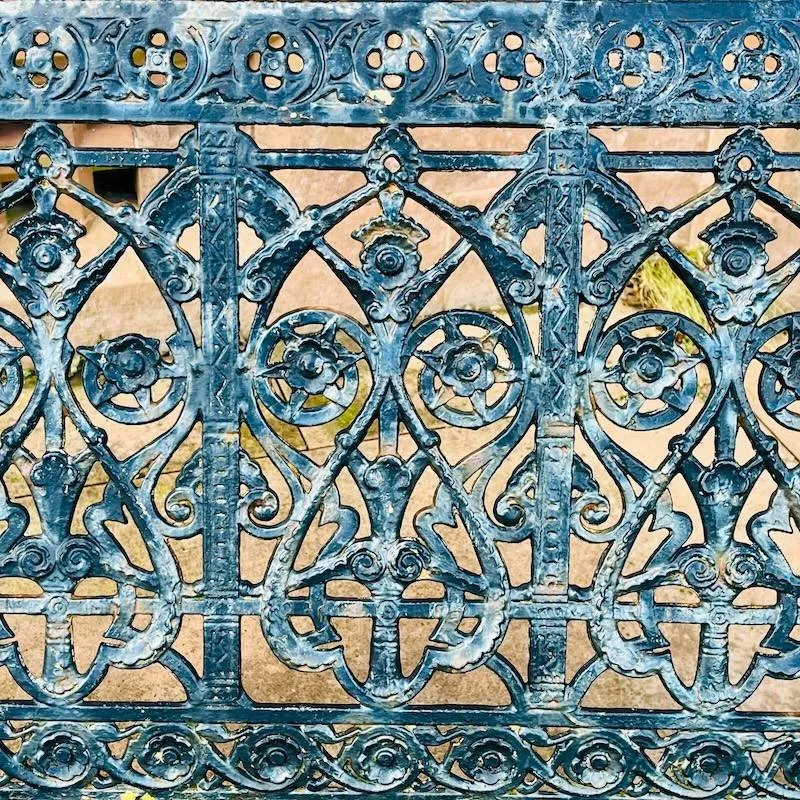
Mount Stuart decorative railings

Mount Stuart Chapel - interior of the spire ceiling
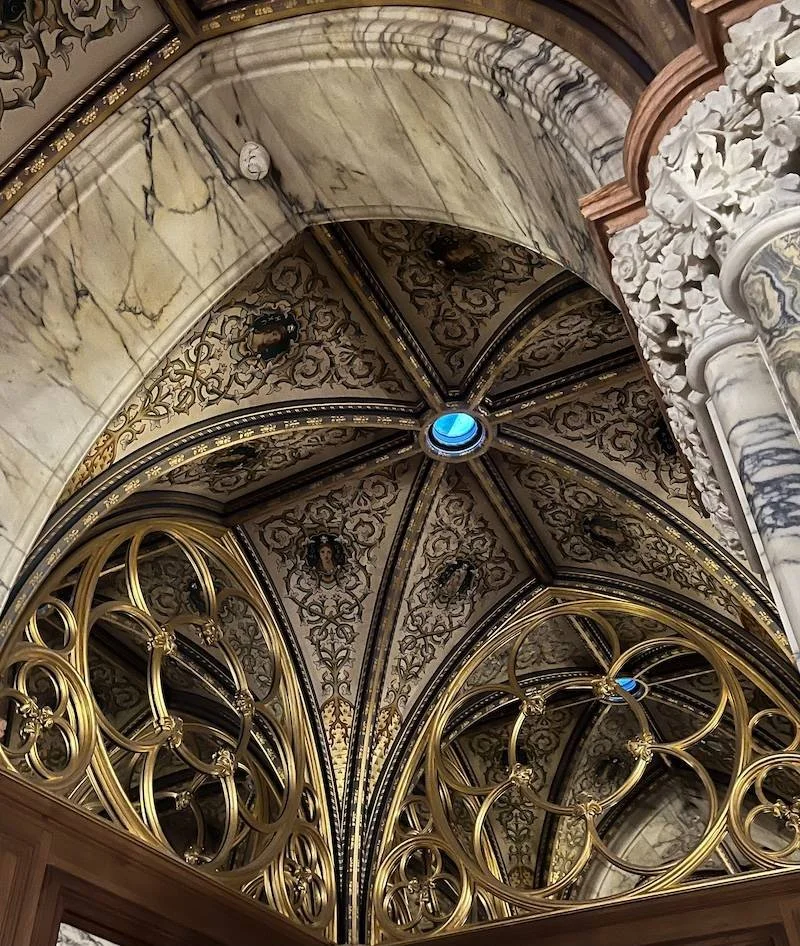
Mount Stuart interior ceiling

Mount Stuart Garden Walk by the Beach
At the south end of the island, the atmospheric ruins of St. Blane's Chapel sit in one of the most peaceful settings on the island. I would recommend walking to the top of St.Blane’s Hill for fabulous 360 degree views of the island. Ardencraig Gardens in Rothesay is a beautifully maintained walled garden with glasshouses, an aviary and spectacular fuchsia displays — open from May to September and free to enter. Ascog Garden and Fernery, a restored Victorian fernery a short distance from Rothesay, is also well worth a visit — check opening times before you go as they vary.
Wildlife and the Outdoors
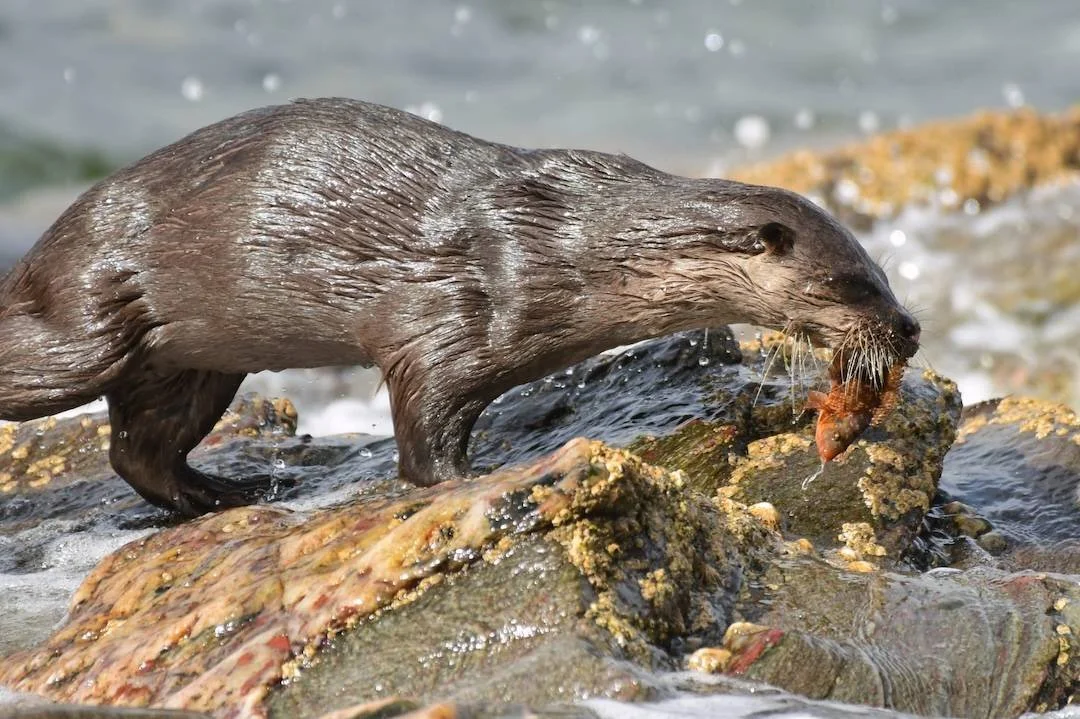
Photo credit:©John Williams
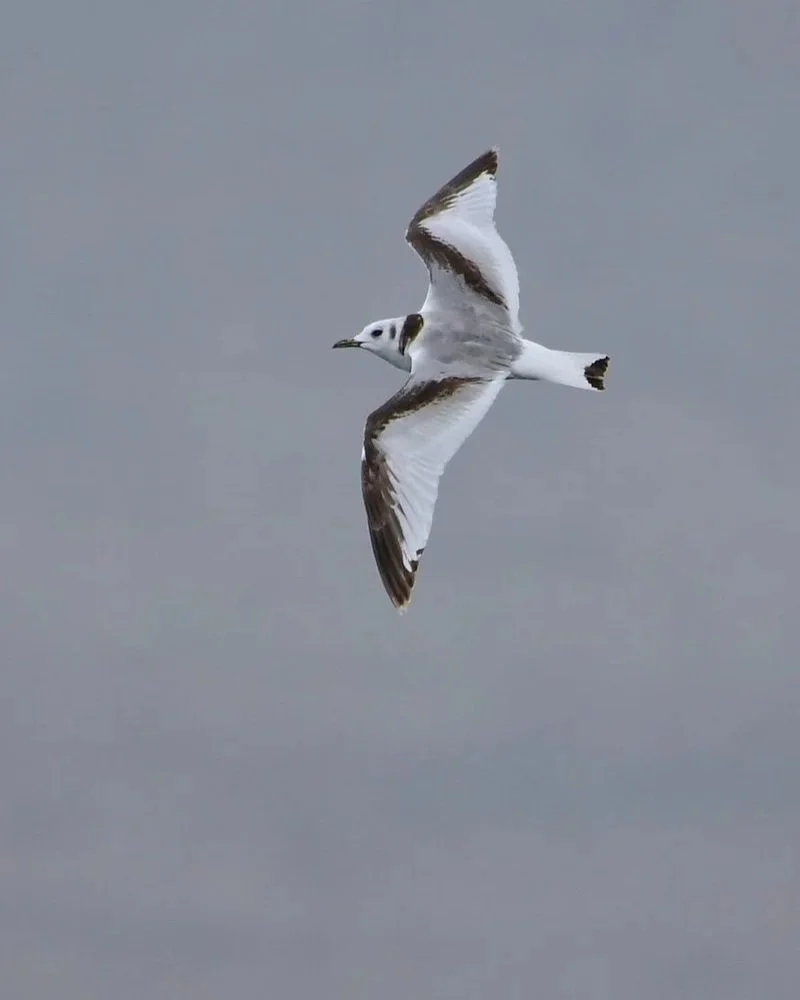
Photo credit:©John Williams
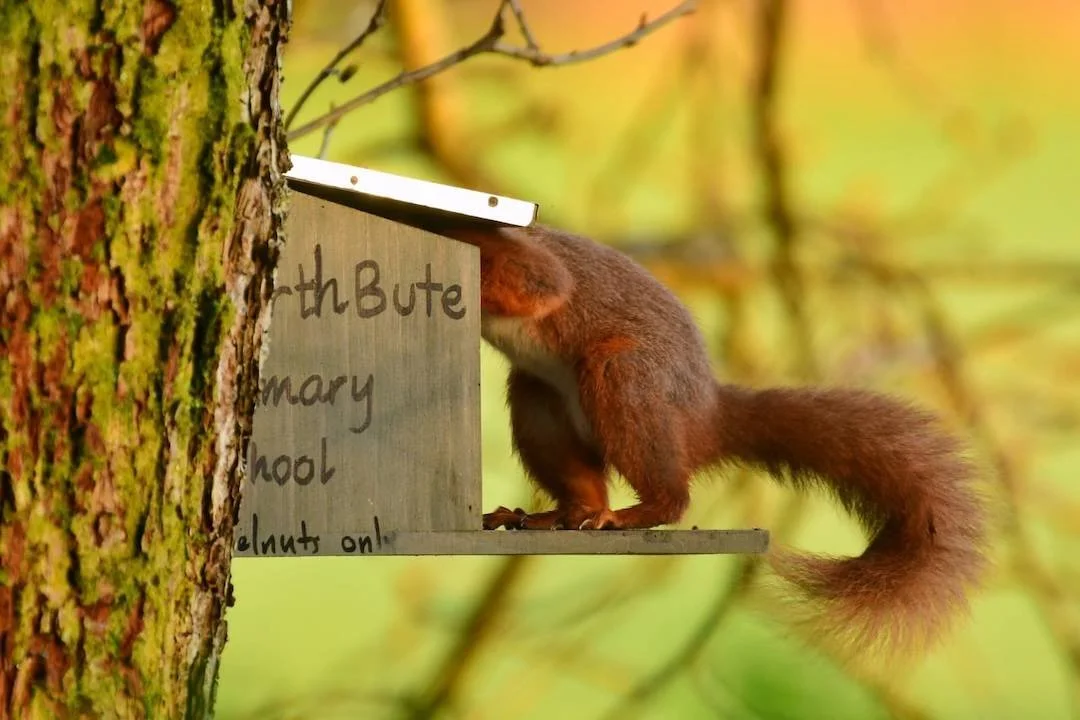
Photo credit:©John Williams
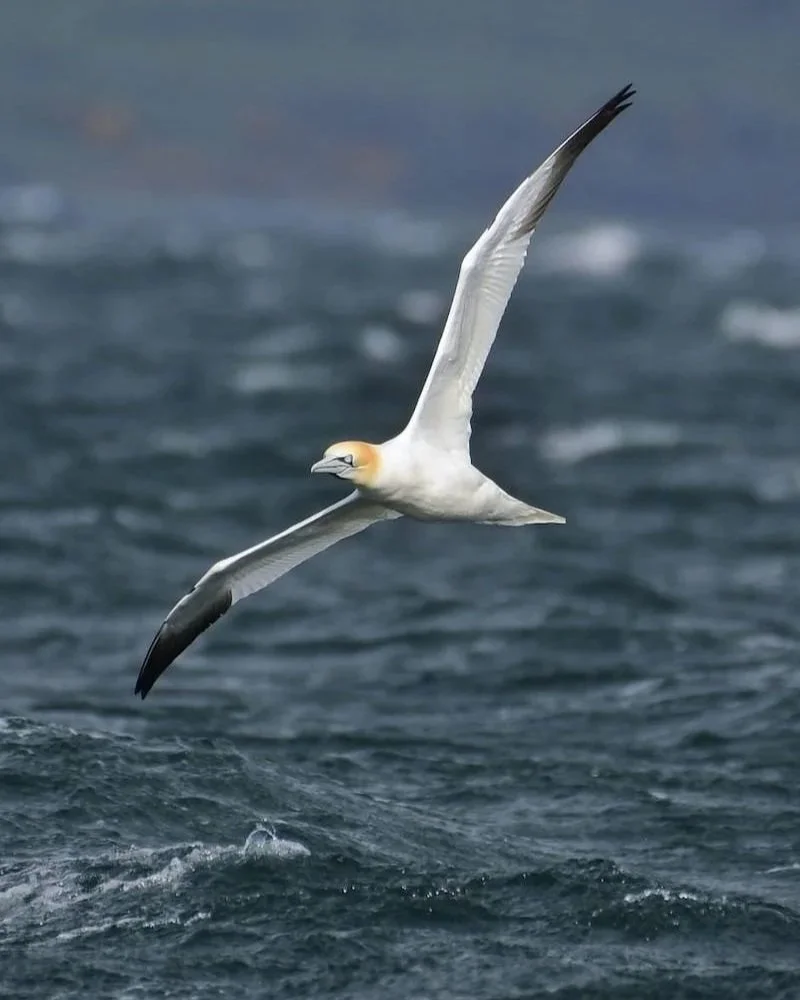
Photo credit:©John Williams
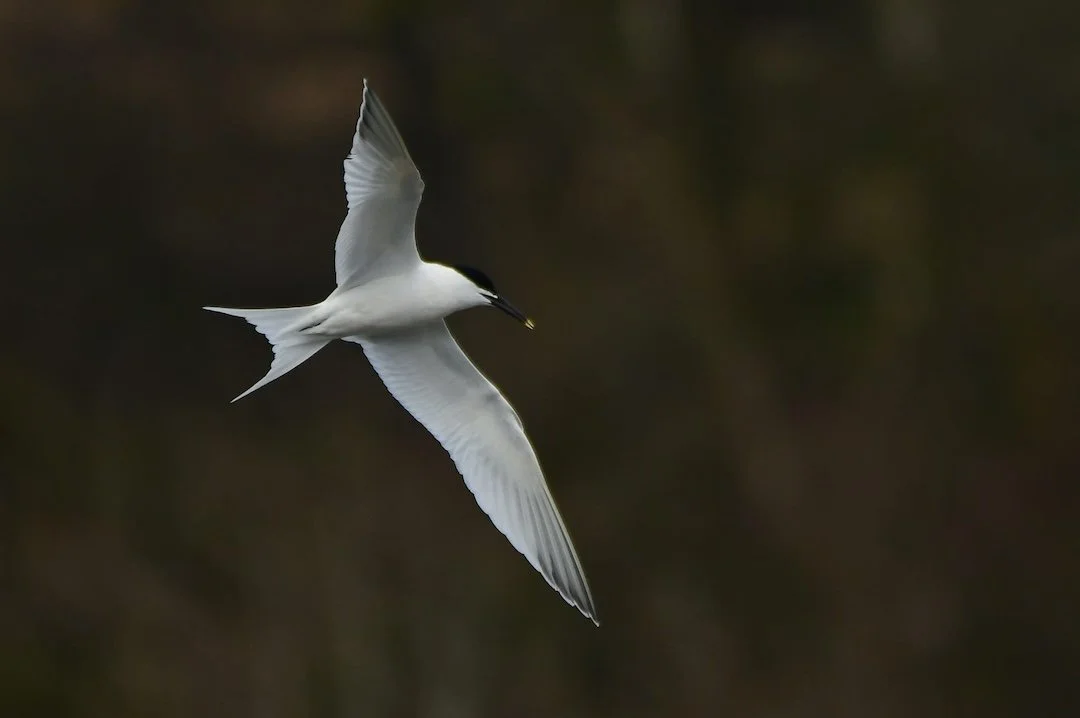
Photo credit:©John Williams
Bute punches well above its weight for wildlife. Ospreys fish at Loch Fad, otters appear if you know where to look and move quietly, and the shoreline at Scalpsie Bay and St. Ninian's Bay is rich with seabirds at low tide — and seals at Scalpsie. White-tailed eagles have been spotted over the Kyles of Bute. The West Island Way is a 30-mile walking route that takes in much of the island's coast and landscape, and e-bikes are available to hire if you'd prefer to cover more ground with less effort.
For a gentler introduction to the island's natural history, the Bute Museum in Rothesay is a hidden gem with an active natural history society running wildflower walks, archaeology tours and birdwatching outings — all open to visitors.
Events and Culture
The island has a surprisingly rich calendar of events through the summer and beyond. The Bute Studio Trail on 18th and 19th July is a highlight of the summer calendar — over 30 artists, makers and designers opening their doors across the island. Note that this year I'll be stepping back from the trail to visit other studios myself, but do get in touch if you'd like to visit Sithean that weekend and I'll do my best to accommodate you.
Bute Song is worth planning around if music is your thing, and the Bute Arts Society runs an annual programme of music and opera throughout the year. Jazz lovers should look out for the Bute Jazz Concerts — and this year the Bute Jazz Weekend, organised jointly with the Bute Arts Society, takes place at the Glenburn Hotel from 5th–7th September 2026, making it a particularly good excuse to visit in early autumn. ButeFest is due to return in 2027 for those planning further ahead. The Bute Noir Book Festival, the Bute Highland Games, the Bute Vintage Tractor Charity Rally in July, and the Bute Agricultural Show — which features sheepdog trials organised in part by Emma Gray from BBC's This Farming Life — all draw visitors from well beyond the island. The Bute Yard Art and Craft Market runs on the first Sunday of every month and is where you might find me if your visit coincides with one.

Bute Annual Vintage Tractor Rally
Visiting the Studio
Sithean is open year round and I'm always happy to welcome visitors — whether you're curious about printmaking, looking to buy original work, or simply want to see the studio and the view. It's a working studio rather than a gallery, so getting in touch beforehand is essential to make sure I'm there and not elbow-deep in ink.Take a look at what's currently in the studio before you visit.
You'll find full directions, including walking and driving routes from the ferry, on my Find My Studio page. The studio has two steps at the entrance and no handrail, and is not currently wheelchair accessible — please get in touch in advance if you have any mobility concerns and I'll do my best to help.
If you're interested in a printmaking workshop or retreat — whether a single day, a weekend, or a longer bespoke stay — take a look at my Workshops page for what's currently on offer, or get in touch to discuss something tailored to you.
Come and Say Hello
The Isle of Bute has a way of getting under your skin. I came for a weekend during a pandemic, fell completely in love with it, and never really left. If you're planning a visit — whether it's for the Studio Trail, a workshop, a wild swim, or simply to explore one of Scotland's most underrated islands — I hope this guide helps you make the most of it.
And if your travels bring you to Academy Road, look for the plaque that says Sithean and ring the bell. I'll put the kettle on.